Crawl space problem
Water In Your Crawl Space: What It Means and How It Gets Fixed
Finding water under the house is unsettling, but the pattern of when it appears usually tells you what's causing it. Here's how to read it, what to check before you call anyone, and which fix matches which cause.
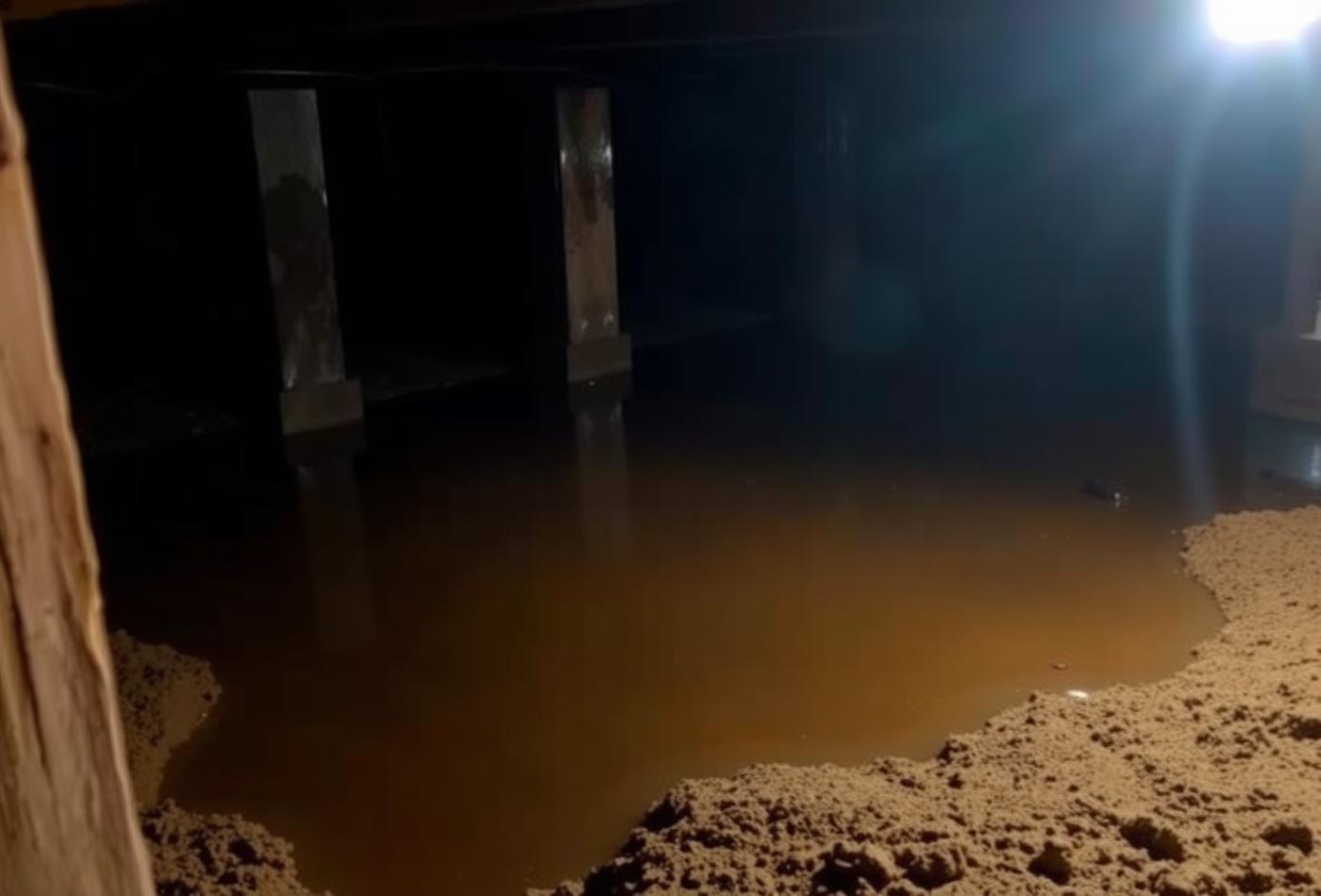
The problem
What water under the house does
A wet crawl space isn't only a water problem — it becomes an air problem. Once the soil under the floor is saturated, the space runs at high humidity for weeks. Wood absorbs it, insulation soaks it up, metal connectors corrode, and the damp air moves upward into the living space through floor cavities and penetrations.
Homeowners often notice the smell and the sticky summer floors long before they see water. By the time water is visible, the framing has usually been damp for a while.
Why it happens
The common causes in Georgia
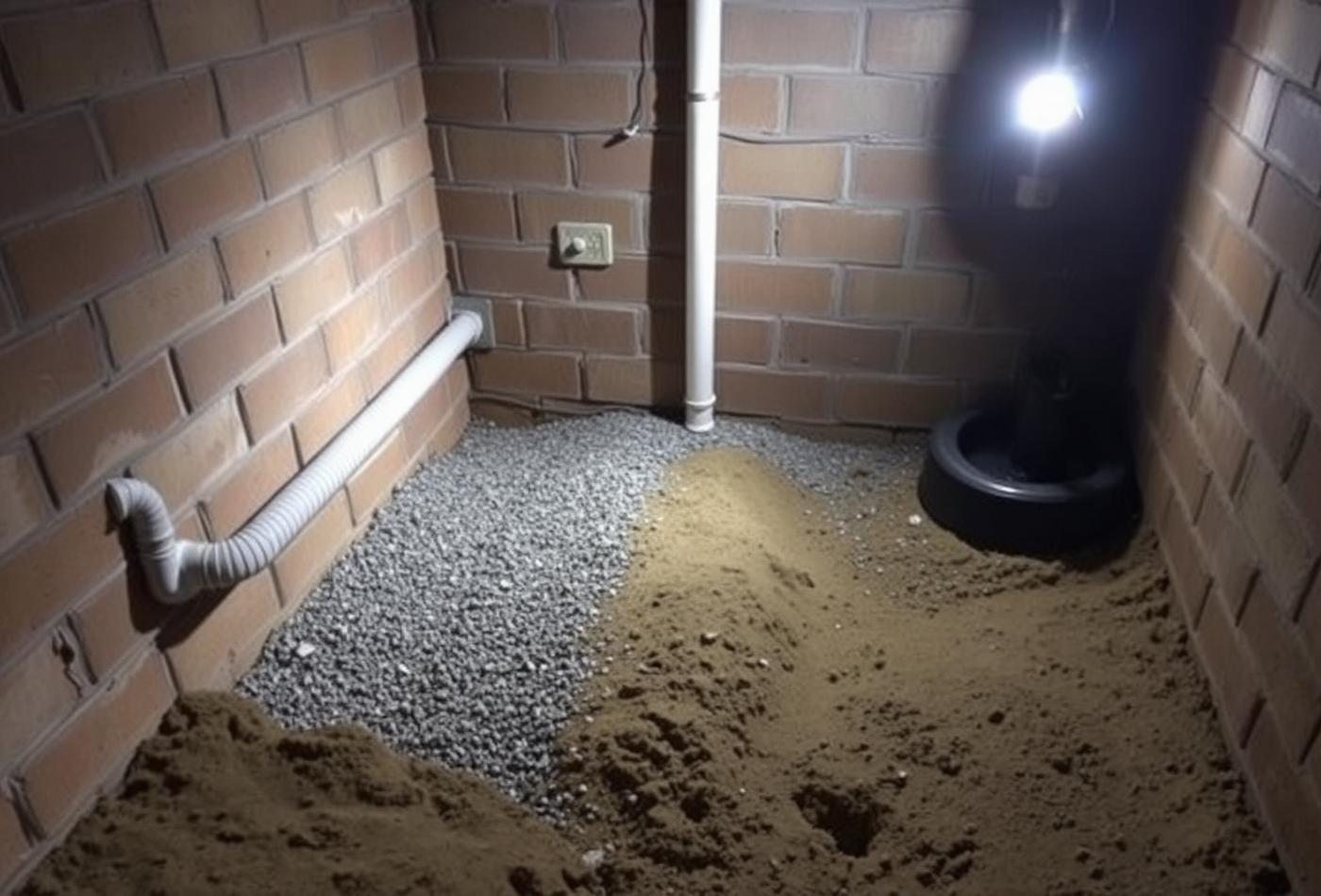
Timing is the clue. Note when the water shows and how long it stays before anyone digs.
- Water within hours of rain: roof runoff or surface grading — check downspouts first
- Water that lingers for days: groundwater or clay soil holding saturation
- One consistent wet patch, rain or not: a plumbing supply or drain leak
- Wet wood, no puddles: condensation — a humidity problem, not intrusion
- Water sitting in a low area: no interior fall toward a drain — see standing water
Before you call
What you can check yourself
- Walk outside during rain and watch where downspouts discharge
- Check whether soil slopes toward the foundation anywhere
- Look for mulch or soil piled above the vent line
- Note which crawl space corner is wettest
- Photograph the water level while it's there
- Check for a wet patch under bathrooms and the kitchen
These five minutes genuinely narrow the scope. Homes where the fix turns out to be gutters and grade shouldn't be paying for interior drainage.
The solution
What actually stops water coming back
- 01Correct exterior water firstDownspout extensions and re-grading so roof and surface water is delivered away from the foundation instead of at it.
- 02Install drainage where water still entersPerimeter drainage and a sump where groundwater or a flat lot means gravity alone won't clear it.
- 03Repair anything moisture damagedWet insulation out, affected framing and supports addressed before the space is closed up.
- 04Cover the soilReinforced vapor barrier over the corrected floor so ground moisture stops feeding the air.
- 05Seal the envelope where appropriateVents and access sealed so humid outdoor air isn't the next moisture source.
- 06Control humidity and verifyDehumidification where readings call for it, then confirm the space holds a stable range.
The full water strategy is on the crawl space waterproofing page, drainage detail is on drainage systems, and the protection step is encapsulation. Pricing logic lives in the cost guide.
Have water under your home?
Send what you've seen and when. We'll inspect, trace the source, and give you a written scope.
Local note
Where we see this most
Around Atlanta, sloped lots and clay subsoil mean upslope runoff arrives fast and drains slowly. In the Savannah area, a high water table means water can rise from below rather than run in from the side. Around Macon and Augusta, older homes with low clearance and original grading are the usual candidates.
Homeowner questions
Questions about water in a crawl space
Is water in a crawl space an emergency?
Not usually in the sense of needing someone that night, but it shouldn't wait a season either. Water accelerates wood decay, ruins insulation and raises humidity throughout the house. The sooner the source is identified, the smaller the repair scope tends to be.
Should I pump the water out myself?
Removing standing water helps in the short term and makes an inspection easier, but it doesn't address why it arrived. If you do pump, discharge well away from the foundation, and take photos of the water level first.
Why does water only appear after heavy rain?
That pattern points to surface water — roof runoff, grading or a low spot channeling rain toward the foundation — rather than groundwater. Those causes are often the cheapest to correct.
Can I encapsulate a crawl space that floods?
Not as a first step. Sealing a space that still takes on water traps it beneath the liner. Drainage and water control come first; encapsulation protects the space afterwards.
Free estimate request
Get a Free Wet Crawl Space Inspection
Include when the water appears and how long it stays — that single detail usually identifies the cause.
Related pages
- Crawl space waterproofingThe overall fix
- Drainage systemsPerimeter drains and sumps
- Standing water under houseWater that won't drain
- EncapsulationProtecting a dried space
- Cost guideWhat this work costs
- Atlanta, GAMetro Atlanta service