Service area
Crawl Space Encapsulation & Moisture Control in Columbus, GA
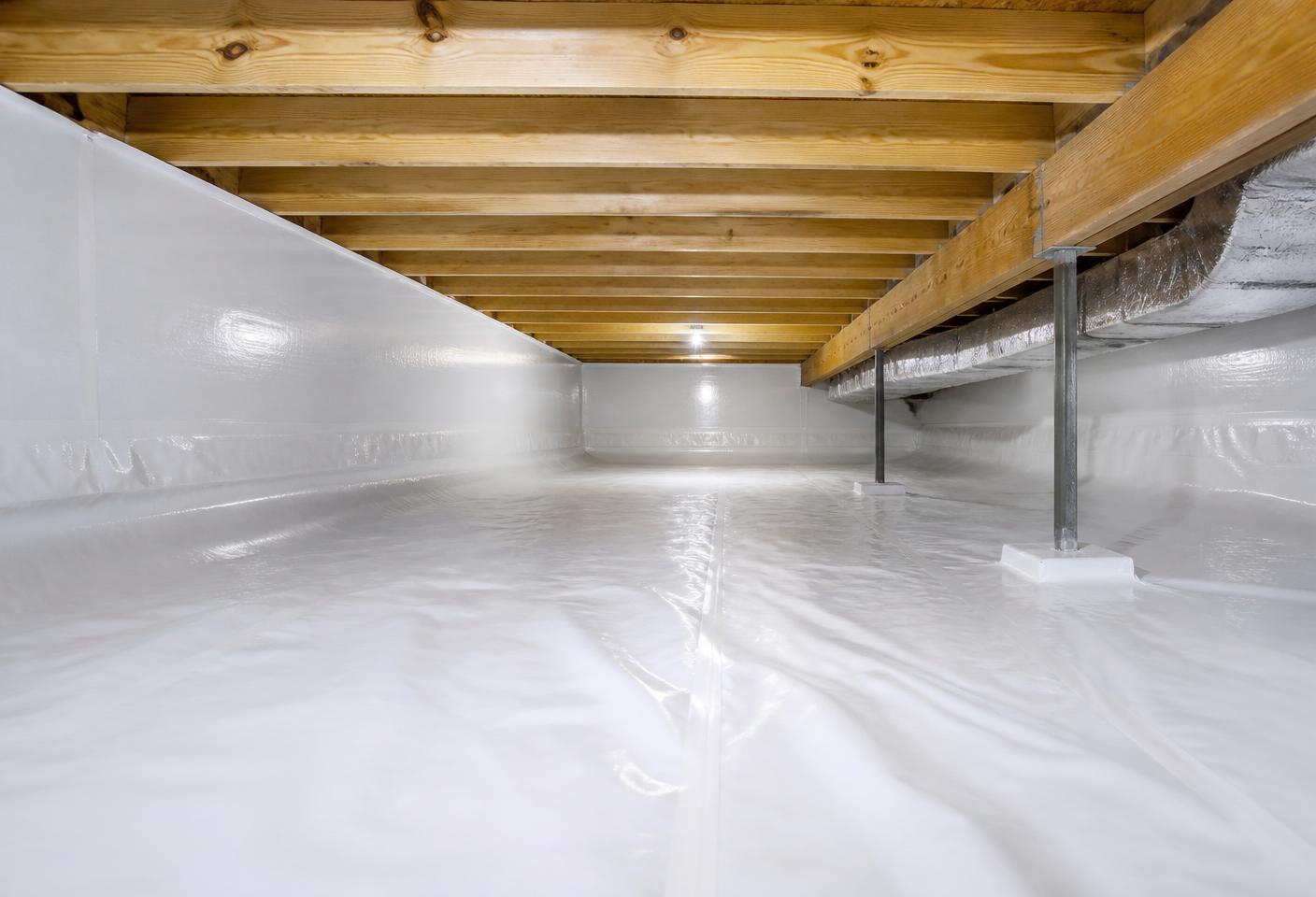
West Georgia's humid season runs long, and much of Columbus was built with vented crawl spaces and little or no soil cover. That's a straightforward problem with a straightforward correction — once you know whether water is also part of the picture.
Local conditions
What we find under Columbus homes
Columbus sits at the fall line on the Chattahoochee, with mixed soils and terrain that ranges from flat river-adjacent ground to modest slopes. Homes on flatter ground tend to hold surface water longer, and low-clearance crawl spaces in older neighborhoods make that water slow to clear.
Scope drives the price more than location does. Most Columbus homes needing full crawl space encapsulation in Georgia land in the $5,000–$15,000 planning range; the encapsulation cost guide breaks down what moves that figure, and crawl space moisture problems explains what we look for during the inspection.
The more universal finding is moisture in the air. Mid-century ranch and pier-and-beam homes here commonly still have their original thin builder plastic — torn, shifted, and covering perhaps half the floor. With soil vapor rising unchecked and humid outdoor air moving through the vents, the space stays damp from May through September, and the framing shows it.
What we correct
The most common Columbus scopes
Original plastic or bare soil
Reinforced vapor barrier installed across the full floor with sealed seams and wall terminations.
Read more →High summer humidity
Vents and access sealed, then a properly sized dehumidifier with a routed condensate line.
Read more →Musty odor indoors
Damp material removal and correction of the path carrying crawl space air into living space.
Read more →Water after heavy rain
Gutter, grading and drainage work where storm water is being delivered to the foundation.
Read more →Wet fiberglass insulation
Saturated batts removed and the assembly rebuilt so insulation stays dry and effective.
Read more →Soft floors and weak framing
Joist and support repairs where extended damp conditions have degraded the structure.
Read more →How we assess a crawl space
Our inspection method: source first, sealing second
Most failed crawl space work in Georgia comes from installing a product instead of solving a moisture path. This is the sequence we follow on every home, whether the job ends up being a vapor barrier or a full encapsulation with drainage and a dehumidifier.
- 01Find the water sourceGroundwater, surface runoff, a plumbing leak and condensation all look similar once the ground is wet. We look for the entry point before recommending anything.
- 02Check drainage and gradingGutters, downspout discharge, grade around the foundation and any existing crawl space drainage get inspected, because sealing over an active water path fails.
- 03Inspect the vapor barrier and framingWe note torn or missing barrier, wet insulation, staining on joists and subfloor, and any framing that has softened.
- 04Measure humidity and moistureRelative humidity in the crawl space and moisture readings in wood tell us whether a dehumidifier is genuinely needed or whether drainage alone solves it.
- 05Decide what the house actually needsDrainage, vapor barrier, full encapsulation, dehumidification, insulation or repair — in the order that fixes cause before symptom.
- 06Put it in writingYou get a scope and estimate that lists what is included, what is optional, and what we found. No pressure to decide during the visit.
You get a plain explanation of what we found, a written scope covering exactly what will be installed, and a recommendation based on the conditions measured in your crawl space.
Free crawl space inspections across west Georgia
Measured readings, photos of the actual conditions, and a written scope with nothing padded in.
Coverage
West Georgia communities we serve
- Columbus and Muscogee County
- Midland
- Fortson and Cataula
- Hamilton
- Pine Mountain
- Ellerslie
- Buena Vista
- Americus
- LaGrange
We also serve metro Atlanta, Macon, Augusta and Savannah.
Homeowner questions
Columbus crawl space questions
What's the most common crawl space issue in Columbus?
Older housing stock with original thin plastic or bare soil, combined with long humid summers. That combination produces high crawl space humidity, damp framing and the musty odor homeowners notice indoors.
Will encapsulation help with high power bills?
It usually helps, though it isn't a guaranteed figure. Once the crawl space is dry and sealed, the cooling system stops continuously dehumidifying air resupplied from below, and insulation that stays dry keeps its rated performance.
Do you serve Fort Moore area housing and nearby communities?
Yes — Columbus, Phenix City-adjacent Georgia neighborhoods, Midland, Fortson, Cataula, Hamilton and the surrounding west Georgia communities.
Free estimate request
Get a Free Columbus Crawl Space Inspection
Tell us what you're noticing under the house and we'll measure the conditions before recommending anything.
Related pages
- Crawl space encapsulationThe complete system
- Vapor barrierReplacing old plastic
- DehumidifierHolding humidity down
- High humidityThe main west Georgia issue
- Cost guideWhat drives pricing
- Macon, GACentral Georgia service