Service area
Crawl Space Encapsulation & Moisture Control in Macon, GA
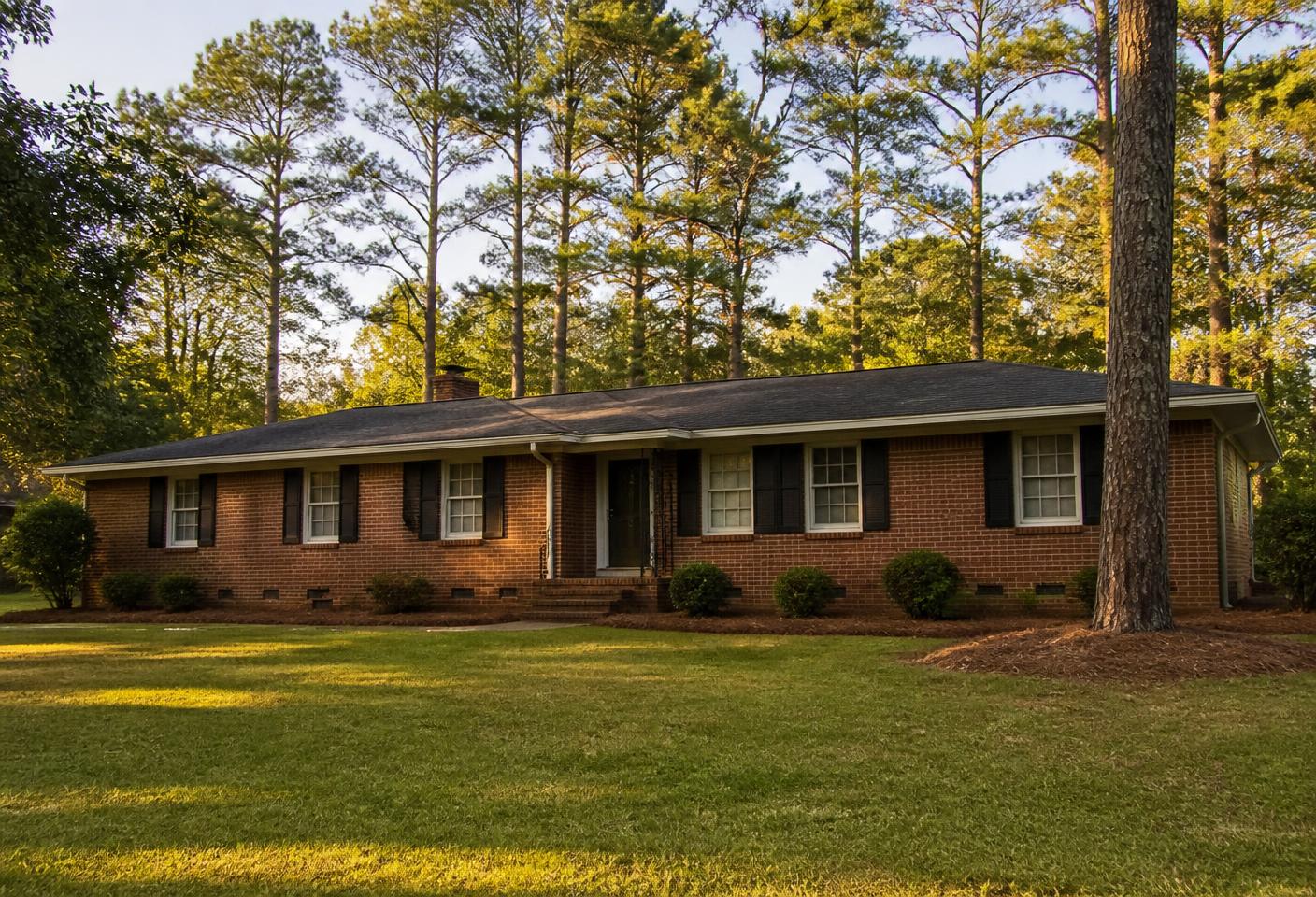
Central Georgia summers are long, hot and muggy, and much of Macon's housing was built when a crawl space was expected to dry itself through vents. It doesn't work in this climate, and the evidence is usually visible on the underside of the floor.
Local conditions
What we find under Macon homes
Macon sits on the fall line, where Piedmont clay gives way to sandier coastal-plain soils. That variety means the water story differs street to street: some homes shed rainfall quickly and only have a humidity problem, while others hold water against the foundation for days. Determining which one you have is the point of the inspection.
Scope drives the price more than location does. Most Macon homes needing full crawl space encapsulation in Georgia land in the $5,000–$15,000 planning range; the encapsulation cost guide breaks down what moves that figure, and crawl space moisture problems explains what we look for during the inspection.
The consistent finding is the humid season. From late spring into September, a vented crawl space here spends most of its hours above 70% relative humidity. Over years that shows up as darkened joists, elevated wood moisture readings, fiberglass batts sagging out of the bays, and the musty smell homeowners notice in hallways and closets.
What we correct
The most common central Georgia scopes
Bare or barely covered soil
Full-coverage reinforced vapor barrier replacing brittle original plastic or exposed dirt.
Read more →Summer-long high humidity
Vents and access sealed, then dehumidification sized to hold a stable range through the season.
Read more →Damp wood and surface growth
Moisture readings taken, source removed, and affected materials addressed rather than painted over.
Read more →Rain reaching the foundation
Gutter, downspout and grading corrections, with drainage where water still enters.
Read more →Wet, fallen insulation
Saturated batts removed and the assembly rebuilt so insulation performs as intended.
Read more →Sagging floors and weak supports
Joist, girder and pier repairs where long-term moisture has cost the framing strength.
Read more →How we assess a crawl space
Our inspection method: source first, sealing second
Most failed crawl space work in Georgia comes from installing a product instead of solving a moisture path. This is the sequence we follow on every home, whether the job ends up being a vapor barrier or a full encapsulation with drainage and a dehumidifier.
- 01Find the water sourceGroundwater, surface runoff, a plumbing leak and condensation all look similar once the ground is wet. We look for the entry point before recommending anything.
- 02Check drainage and gradingGutters, downspout discharge, grade around the foundation and any existing crawl space drainage get inspected, because sealing over an active water path fails.
- 03Inspect the vapor barrier and framingWe note torn or missing barrier, wet insulation, staining on joists and subfloor, and any framing that has softened.
- 04Measure humidity and moistureRelative humidity in the crawl space and moisture readings in wood tell us whether a dehumidifier is genuinely needed or whether drainage alone solves it.
- 05Decide what the house actually needsDrainage, vapor barrier, full encapsulation, dehumidification, insulation or repair — in the order that fixes cause before symptom.
- 06Put it in writingYou get a scope and estimate that lists what is included, what is optional, and what we found. No pressure to decide during the visit.
You get a plain explanation of what we found, a written scope covering exactly what will be installed, and a recommendation based on the conditions measured in your crawl space.
Free crawl space inspections across central Georgia
Photos, humidity and wood moisture readings, and a written scope you can compare against any other quote.
Coverage
Central Georgia communities we serve
- Macon and Bibb County
- Warner Robins
- Bonaire and Kathleen
- Byron
- Perry
- Forsyth
- Gray and Jones County
- Milledgeville
- Fort Valley
We also serve metro Atlanta, Columbus and Augusta.
Homeowner questions
Macon crawl space questions
Are older Macon homes good candidates for encapsulation?
Yes, and they're often the ones that benefit most. Mid-century and earlier homes in the Macon area frequently have bare soil or brittle original plastic under the floor, which means decades of ground moisture have been feeding the framing.
What's the most common problem you find in central Georgia?
High summer humidity in a vented crawl space, combined with a failed or missing vapor barrier. Water intrusion shows up too, usually tied to gutters and grading rather than groundwater.
Do you serve Warner Robins and the surrounding area?
Yes — Macon, Warner Robins, Bonaire, Byron, Perry, Forsyth, Gray and the neighboring central Georgia communities.
Free estimate request
Get a Free Macon Crawl Space Inspection
Describe what you've noticed — odor, damp floors, water after rain — and we'll come measure the conditions.
Related pages
- Crawl space encapsulationThe complete system
- Vapor barrierReplacing old plastic
- Moisture & moldDamp wood conditions
- Crawl space repairStructural corrections
- Cost guideWhat drives pricing
- Columbus, GAWest Georgia service