Service area
Crawl Space Encapsulation & Moisture Control in Atlanta, GA
Metro Atlanta homes sit on red clay and, more often than not, on a slope. That combination sends stormwater toward foundations and holds it there, which is why so many crawl spaces here have a water problem and a humidity problem at the same time.
Local conditions
What we find under Atlanta homes
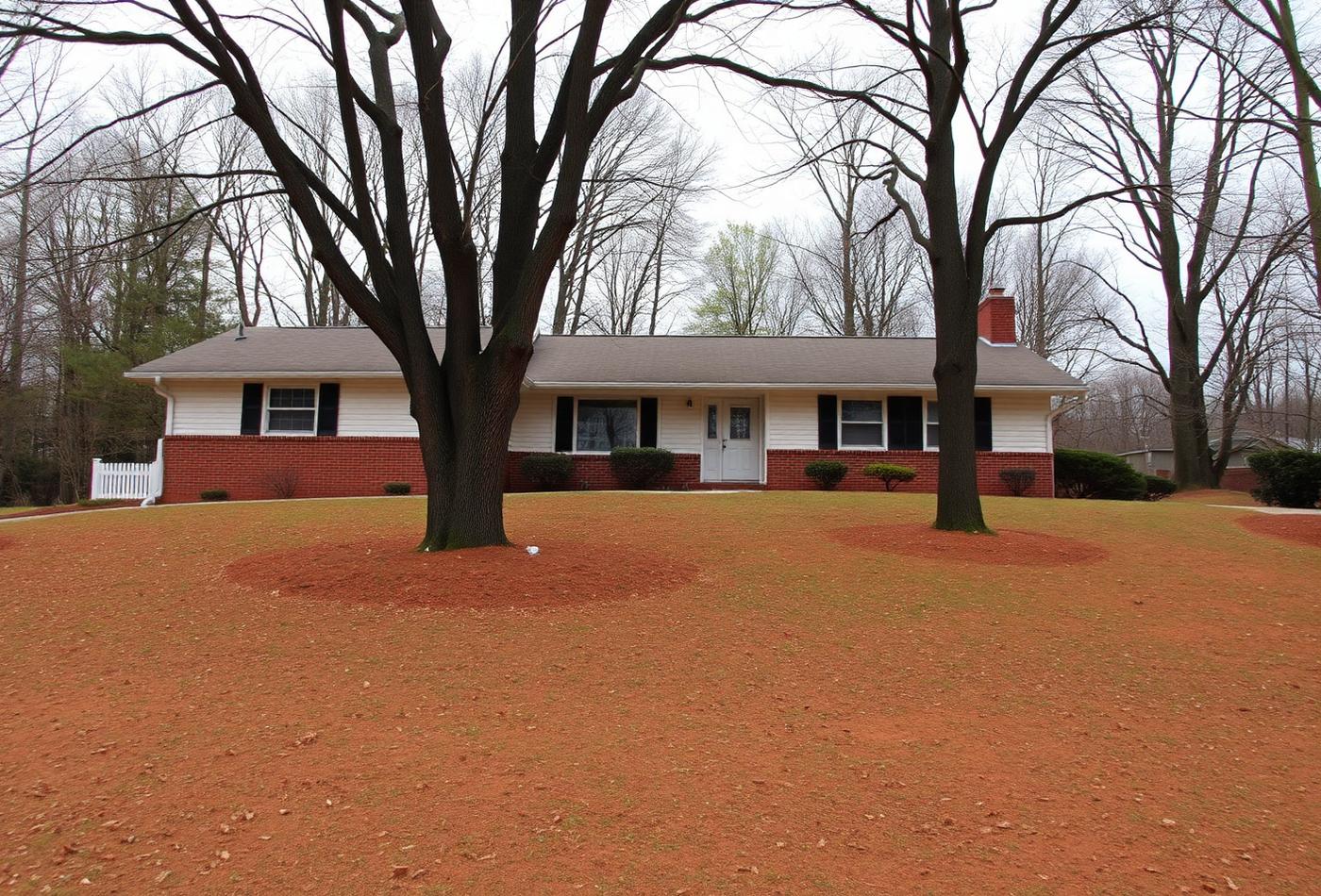
Piedmont clay is the defining factor. It absorbs water slowly, releases it slowly, and expands when saturated — so a storm that soaks the yard keeps feeding the crawl space for days afterward. On the hillside lots common across the metro, water arrives at the uphill foundation wall under genuine pressure rather than simply seeping.
Scope drives the price more than location does. Most metro Atlanta homes needing full crawl space encapsulation in Georgia land in the $5,000–$15,000 planning range; the encapsulation cost guide breaks down what moves that figure, and crawl space moisture problems explains what we look for during the inspection.
Housing stock adds a second variable. Intown bungalows and Craftsman homes often have shallow clearance and original construction with no soil cover at all. The postwar and 1970s–90s suburban ranches and split-levels usually have thin builder plastic that has torn and shifted, plus fiberglass batts that have absorbed years of summer humidity and fallen out of the joists.
What we correct
The most common Atlanta scopes
Runoff reaching the foundation
Downspout extensions, grade correction and perimeter drainage where upslope water is delivered to the wall.
Read more →Water standing on clay
Interior grading and a sump where saturated clay leaves water nowhere to go for days after rain.
Read more →Torn builder plastic
Removal of failed thin sheeting and installation of a reinforced, sealed vapor barrier across the floor.
Read more →Summer condensation
Sealed vents and dehumidification for crawl spaces running 80%+ humidity through the Atlanta summer.
Read more →Fallen wet insulation
Saturated batts removed and the assembly rebuilt so insulation stays dry and keeps performing.
Read more →Moisture-damaged framing
Joist, girder and support repairs where years of damp conditions have taken a structural toll.
Read more →How we assess a crawl space
Our inspection method: source first, sealing second
Most failed crawl space work in Georgia comes from installing a product instead of solving a moisture path. This is the sequence we follow on every home, whether the job ends up being a vapor barrier or a full encapsulation with drainage and a dehumidifier.
- 01Find the water sourceGroundwater, surface runoff, a plumbing leak and condensation all look similar once the ground is wet. We look for the entry point before recommending anything.
- 02Check drainage and gradingGutters, downspout discharge, grade around the foundation and any existing crawl space drainage get inspected, because sealing over an active water path fails.
- 03Inspect the vapor barrier and framingWe note torn or missing barrier, wet insulation, staining on joists and subfloor, and any framing that has softened.
- 04Measure humidity and moistureRelative humidity in the crawl space and moisture readings in wood tell us whether a dehumidifier is genuinely needed or whether drainage alone solves it.
- 05Decide what the house actually needsDrainage, vapor barrier, full encapsulation, dehumidification, insulation or repair — in the order that fixes cause before symptom.
- 06Put it in writingYou get a scope and estimate that lists what is included, what is optional, and what we found. No pressure to decide during the visit.
You get a plain explanation of what we found, a written scope covering exactly what will be installed, and a recommendation based on the conditions measured in your crawl space.
Serving metro Atlanta with free crawl space inspections
Measured humidity and moisture readings, photos of what we find, and a written scope of work.
Coverage
Metro Atlanta communities we serve
- Atlanta and intown neighborhoods
- Marietta and Kennesaw
- Decatur and Avondale Estates
- Sandy Springs and Dunwoody
- Roswell and Alpharetta
- Smyrna and Vinings
- Duluth and Johns Creek
- Lawrenceville and Snellville
- Douglasville and Peachtree City
Homeowner questions
Atlanta crawl space questions
Do you serve the whole metro Atlanta area?
Yes — Atlanta proper plus the surrounding metro communities including Marietta, Decatur, Sandy Springs, Roswell, Alpharetta, Smyrna, Dunwoody, Duluth, Kennesaw, Lawrenceville and the neighboring suburbs.
Why are crawl space problems so common in Atlanta?
Sloped lots and dense red clay. Clay drains slowly and holds water against foundations, so upslope runoff reaches the crawl space fast and leaves slowly. Add long humid summers and vented crawl spaces, and you get both water intrusion and condensation in the same house.
Can you work on older intown homes with low clearance?
Yes. Low-clearance crawl spaces in older intown neighborhoods take longer but are entirely workable. We measure clearance during inspection so the estimate reflects the real labor rather than being revised later.
Free estimate request
Get a Free Atlanta Crawl Space Inspection
Tell us your neighborhood and what you're seeing under the house. We'll schedule an inspection and put the scope in writing.
Related pages
- Crawl space encapsulationThe complete system
- WaterproofingFor clay and slope issues
- Drainage systemsPerimeter drains and sumps
- Water in crawl spaceDiagnose the source
- Cost guideWhat drives pricing
- Macon, GACentral Georgia service