Crawl space problem
Musty Smell From the Crawl Space: Where It Comes From
That earthy, cellar-like smell in a hallway or closet is rarely coming from the room you're standing in. In Georgia homes it's usually damp material under the floor, stagnant air, and a pressure difference that pulls crawl space air upward.
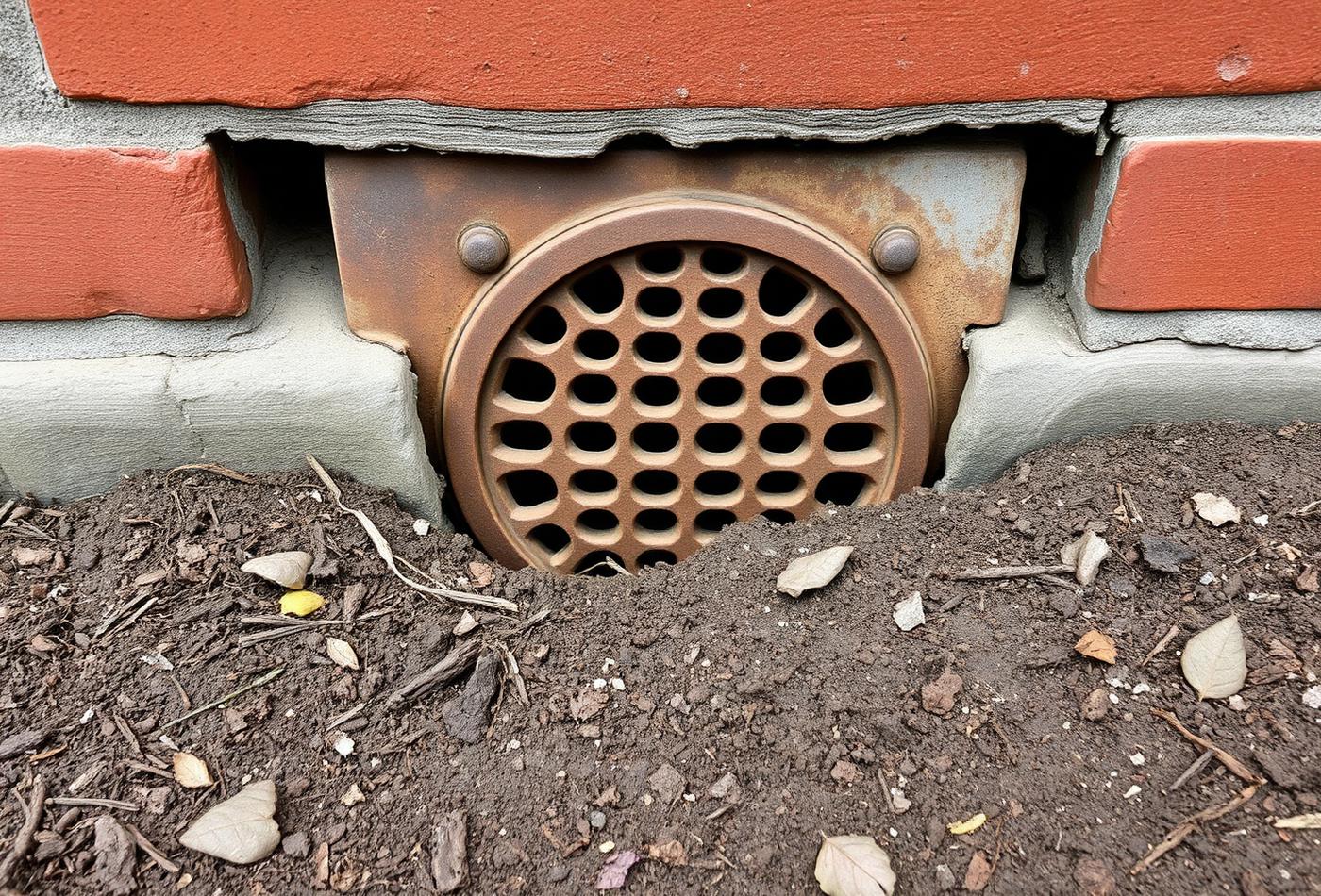
How it travels
Why crawl space air ends up in your living space
Houses aren't sealed containers. Warm air rises and escapes through the upper levels, and replacement air gets pulled in from wherever it's easiest — often the crawl space, through plumbing and duct penetrations, floor cavities and the space around the rim joist. A meaningful share of the air you breathe on the first floor started under the house.
So the odor question is really a moisture question. Damp wood, wet fiberglass insulation, damp cardboard and soaked soil all release odor compounds, and the airflow does the rest. That's why the smell is usually strongest near closets, floor registers and interior corners where air moves up.
Why it happens
What's producing the smell down there
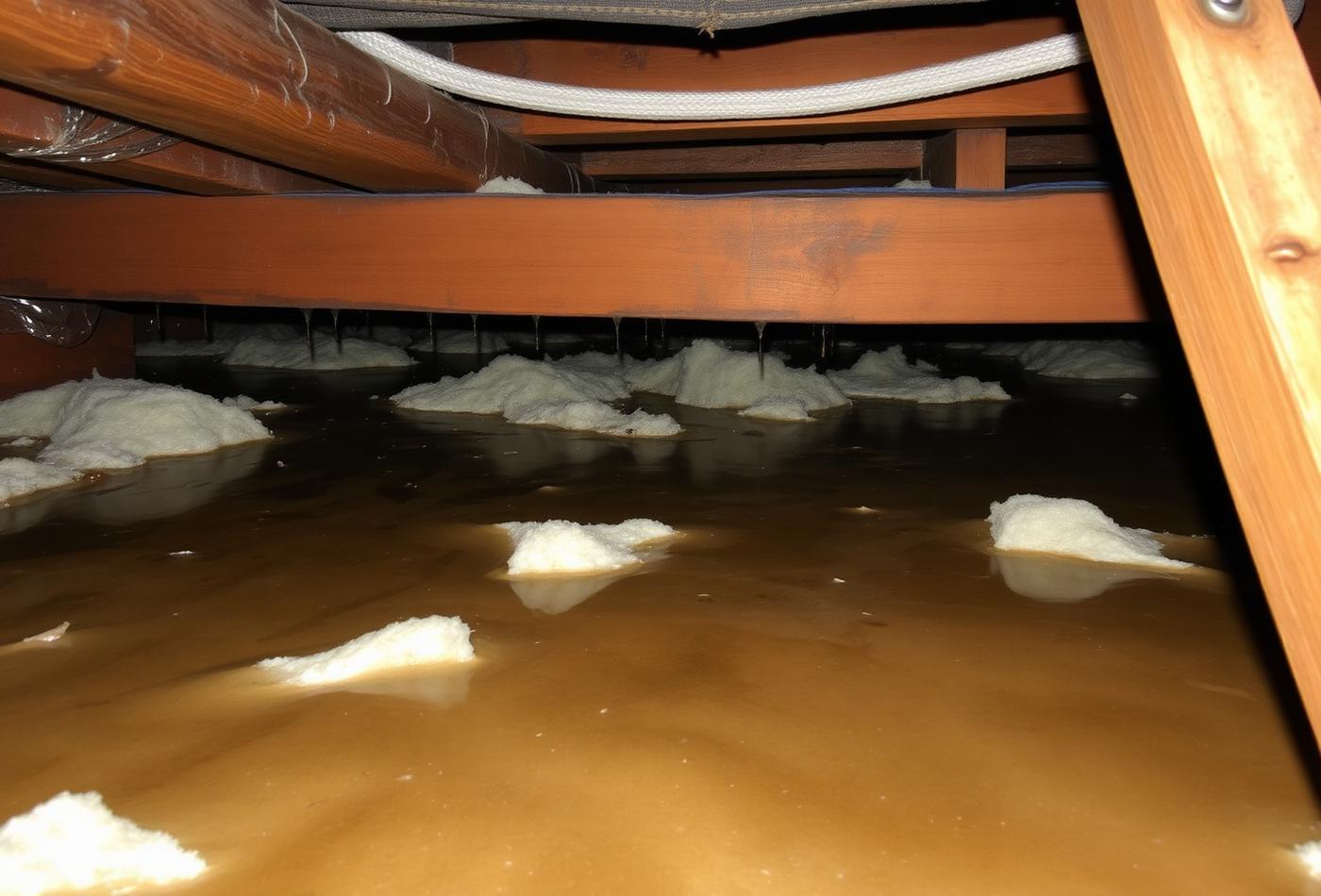
Nearly every musty crawl space we inspect has some combination of these:
- Bare or poorly covered soil releasing moisture into the space continuously
- Humid outdoor air entering open vents and condensing on cooler framing
- Wet fiberglass insulation holding moisture against the subfloor
- Standing water or damp low spots after rain events
- Organic debris — leaves, wood scraps, old cardboard left from construction
- Stagnant air with no drying mechanism during the humid months
High relative humidity ties them together. Read more on crawl space humidity and damp wood and surface growth.
What to check
Signs the odor is coming from below
- Smell is strongest at floor level, in closets and near registers
- It's noticeably worse in humid weather
- It returns within hours of airing the house out
- Crawl space access door smells strongly when opened
- Floors feel cool and slightly damp in summer
- Indoor humidity reads higher than expected with AC running
The fix
Removing the source rather than masking it
- 01Inspect and measureHumidity, wood moisture readings and a look for water intrusion, so the odor is tied to an actual condition.
- 02Remove damp materialsWet insulation, old plastic, debris and anything organic comes out of the crawl space.
- 03Stop the waterGrading, gutters, drainage or a plumbing repair — whatever the inspection found.
- 04Cover the soilReinforced vapor barrier across the full floor, seams sealed, so ground moisture stops feeding the air.
- 05Seal the air pathVents, access door and rim penetrations sealed so humid outdoor air stops being drawn through.
- 06Hold humidity in rangeDehumidification set to a target so materials dry out and stay dry through summer.
The complete version of this work is crawl space encapsulation; the humidity component is on the dehumidifier page, and pricing is in the cost guide.
Tired of the smell coming back?
We'll measure what's happening under the floor and tell you plainly whether the crawl space is the source.
Local note
Where the odor complaint is most common
Coastal humidity makes this the number one complaint we hear from Savannah homeowners, often in beautifully maintained older houses with open, vented crawl spaces. In Macon and Columbus, mid-century pier-and-beam homes with original thin plastic are the usual pattern, and around Atlanta it often accompanies water intrusion on a sloped lot.
Homeowner questions
Musty odor questions
Why is the musty smell worse in summer?
Because humidity is higher and the temperature difference between outdoor air and crawl space surfaces is greatest, so more moisture condenses under the house. Damp materials release more odor, and warm air moving upward carries it into the living space.
Can an air freshener or fan fix the smell?
Fans move the same humid air around, and fragrance covers the symptom for a few hours. The odor comes back because the damp materials producing it are still damp.
How quickly does the smell go away after crawl space work?
Once the moisture source is cut off and humidity is held down, most homeowners notice a clear difference within a couple of weeks as materials dry and the air under the house stops being saturated.
What if the smell isn't the crawl space?
It happens. Plumbing venting, a failed wax ring, an HVAC condensate pan, or a damp wall cavity can produce similar odors. If our inspection shows the crawl space is dry and in range, we'll say so rather than sell you work that won't help.
Free estimate request
Get a Free Odor & Moisture Inspection
Describe where and when you notice the smell. We'll check the crawl space conditions that produce it.
Related pages
- High humidity crawl spaceThe usual driver
- Moisture & mold conditionsDamp wood and growth
- EncapsulationThe full correction
- DehumidifierKeeping humidity down
- Crawl space insulationRemoving wet batts
- Savannah, GACoastal humidity