Core service · Georgia
Crawl Space Waterproofing in Georgia
Waterproofing is about liquid water: where it gets in, how fast it arrives, and where it goes once it's under the house. Before any liner goes down, that path has to be interrupted — otherwise every storm reloads the crawl space.
Diagnosis
Where the water is actually coming from
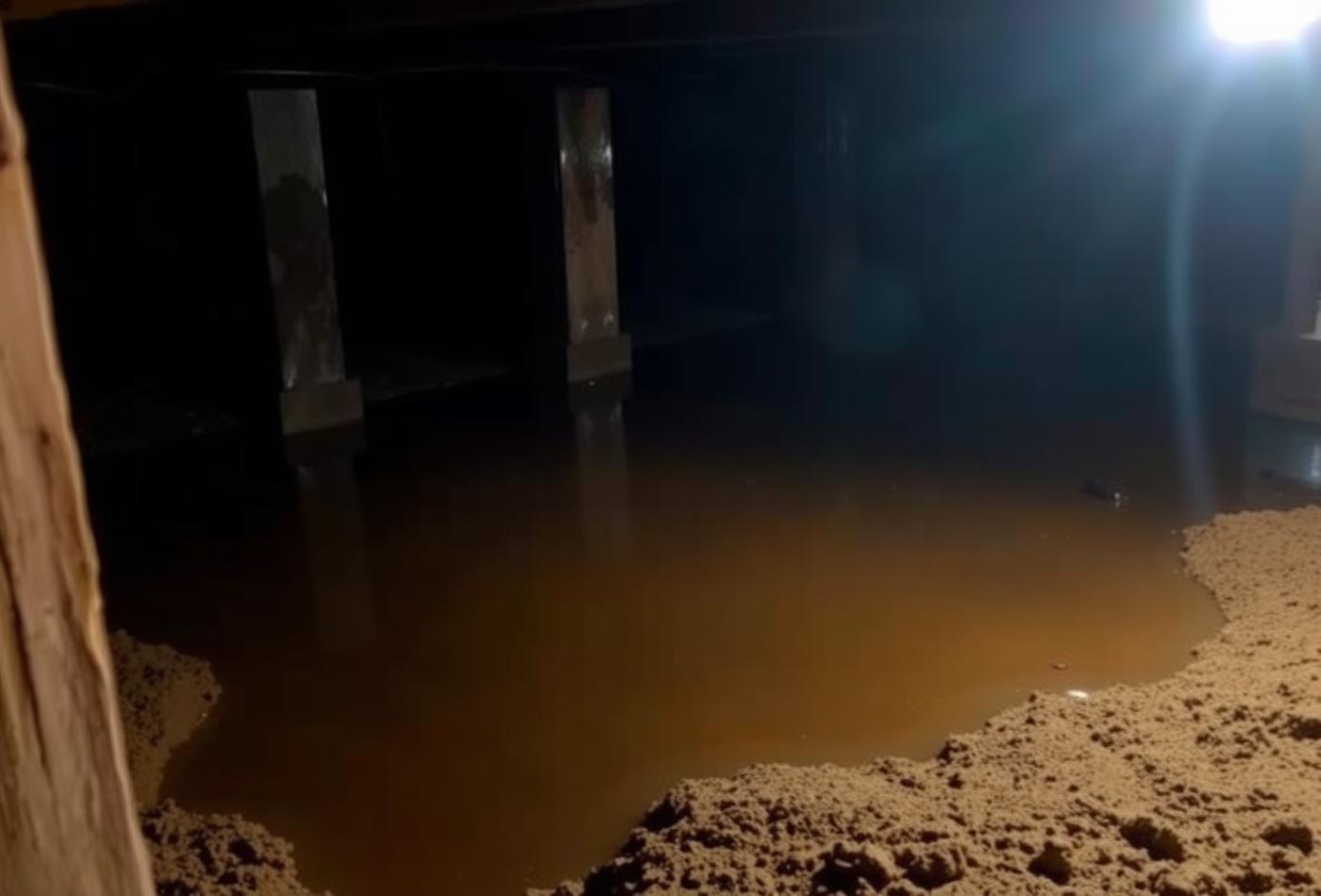
Wet crawl spaces in Georgia usually trace back to one of a short list of sources, and they leave different signatures.
- Roof runoff: water appears within hours of rain, often in one corner near a downspout
- Surface grading: a wide wet band just inside the foundation wall on the uphill side
- Groundwater: seepage that arrives slowly and lingers for days after the storm passes
- Plumbing leaks: a localized wet patch under a bathroom or kitchen that never dries, rain or not
- Condensation: no puddles, but wet joists and duct surfaces during humid weather
Getting this right decides the scope. Grading and gutters are cheap fixes; interior drainage with a sump is the answer for real groundwater. Condensation is a humidity problem, not a waterproofing one.
Methods
What waterproofing a Georgia crawl space involves
- 01Exterior water managementDownspout extensions that discharge well away from the foundation, gutter capacity checks, and re-grading so soil falls away from the wall.
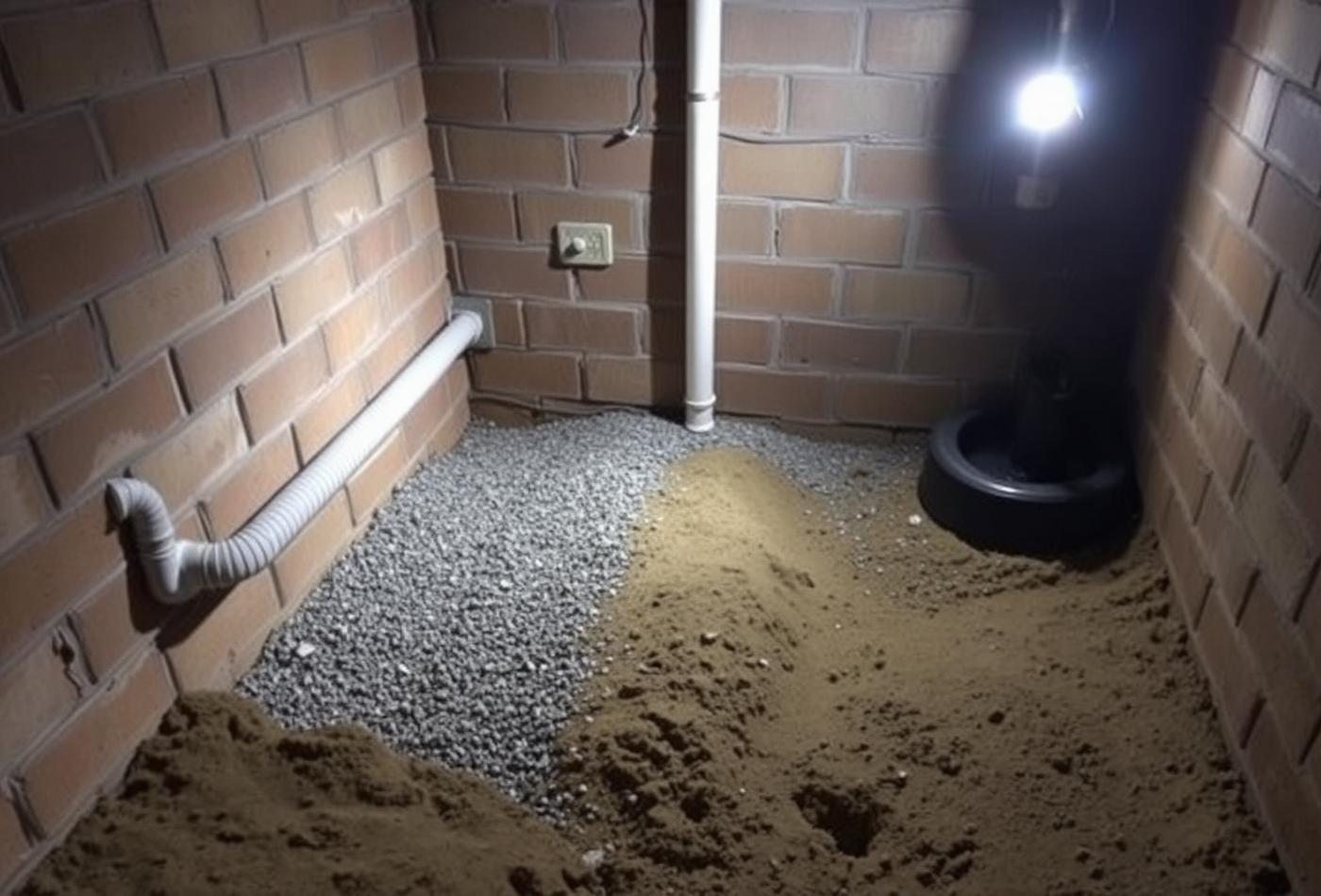
- 02Perimeter interior drainageA trench with washed stone and perforated pipe along the wet perimeter, collecting seepage before it spreads across the floor.
- 03Sump basin and pumpA sealed basin at the low point with a pump and check valve, discharging to daylight or a suitable outfall away from the house.
- 04Wall and footing detailTreating entry points at the footing joint and through-wall penetrations where water tracks in.
- 05Vapor barrier over dry groundOnly once water is controlled does the reinforced barrier go down, so it protects instead of trapping.
- 06VerificationWe check the system during a wet period where possible and confirm the crawl space stays dry before recommending encapsulation.
Water returns after every heavy rain?
That pattern points to a specific entry path. An inspection identifies it so you're not paying for the wrong fix.
Consequences
What a chronically wet crawl space does to the house
Sustained moisture softens wood, corrodes joist hangers and strapping, and creates conditions where surface growth develops on framing. Wet fiberglass insulation loses R-value and falls out of the bays, so floors run cool in winter and clammy in summer. In older pier-and-beam homes, long-term dampness at bearing points is a common reason support repairs become necessary.
Energy cost is the quiet part. Humid crawl space air moves upward into the living space, so the air conditioner works harder to pull moisture out of air that keeps being resupplied from below.
- Damp, discolored joists and subfloor
- Rust on nail plates, hangers and ductwork
- Sagging, saturated insulation
- Cupping or soft spots in finished floors above
- Higher indoor humidity and cooling load
- Odor entering the house through floor cavities
Local context
Waterproofing conditions around the state
Metro Atlanta lots are frequently sloped with clay subsoil, so runoff volume and grading dominate. Near Savannah the water table sits high and flat lots drain slowly, so sump capacity matters more than slope. Augusta and Columbus have sandier pockets where water moves fast during storms and disappears afterwards, which makes timing the inspection important.
Waterproofing and sealing are usually quoted together; the Georgia encapsulation cost guide breaks down the line items.
Homeowner questions
Waterproofing questions
What's the difference between crawl space waterproofing and encapsulation?
Waterproofing manages liquid water — where it enters and where it goes. Encapsulation manages vapor and humidity once the space is dry. Homes with water intrusion normally need waterproofing first and encapsulation second.
Can waterproofing be done from inside the crawl space?
Usually, yes. Interior perimeter drainage with a sump is the common approach because full exterior excavation under an occupied home is rarely practical. Exterior corrections still matter: gutters, downspout extensions and grade.
Do you need to break concrete?
Most Georgia crawl spaces have a soil floor, so drainage is trenched rather than cut. Where a crawl space has a thin rat slab, a channel may be cut along the perimeter and patched.
Will waterproofing stop humidity too?
It removes the biggest liquid source, which lowers humidity considerably. If readings stay high after the space is dry, a vapor barrier and dehumidifier handle the remaining airborne moisture.
Free estimate request
Request a Wet Crawl Space Inspection
Tell us when the water shows up and where you see it. That detail usually narrows the cause before we arrive.
Related pages
- Water in crawl spaceSymptoms and causes
- Standing water under houseWhen it won't drain
- Drainage systemsPerimeter drains and sumps
- EncapsulationThe step after water control
- Basement waterproofingIf your home has a basement
- Cost guideHow drainage affects price